
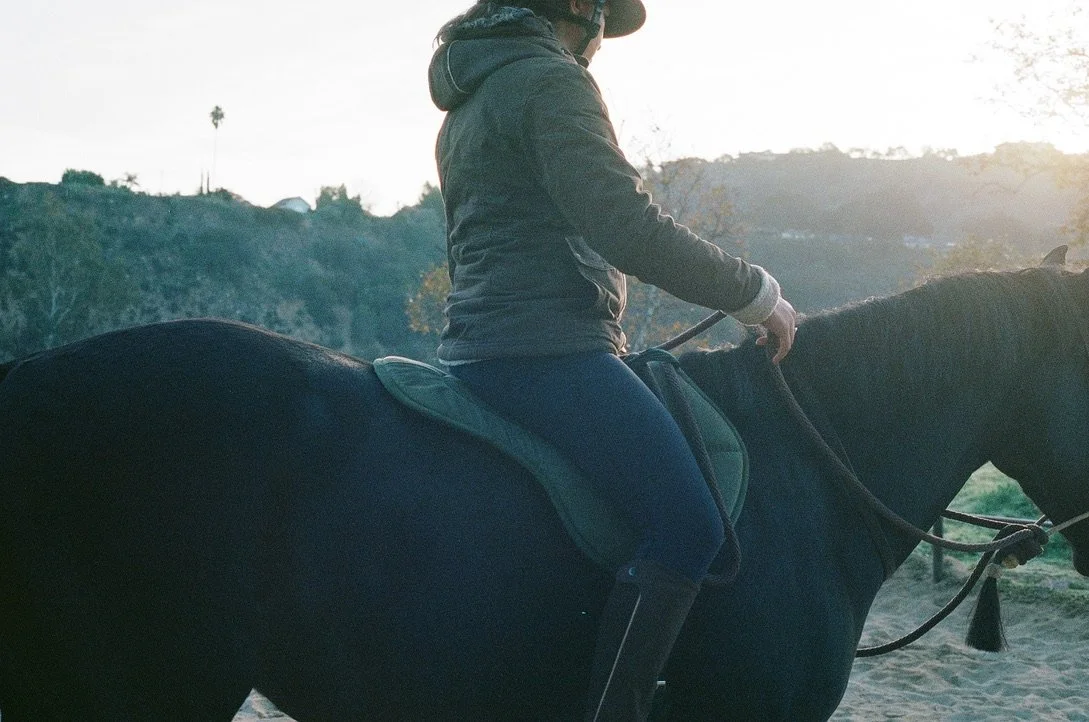
No Stirrup November
Lesson Plan Curriculum
IntentionThe sheer mention of No Stirrup November brings about fear and terror for horses and students alike. But it really can be a fun and enriching experience if done right. This lesson plan and curriculum is intended to help instructors and trainers scaffold a safe, horse-centric and supportive approach to No Stirrup November. (it can also be used as an independent study for riders and students without a trainer’s help)
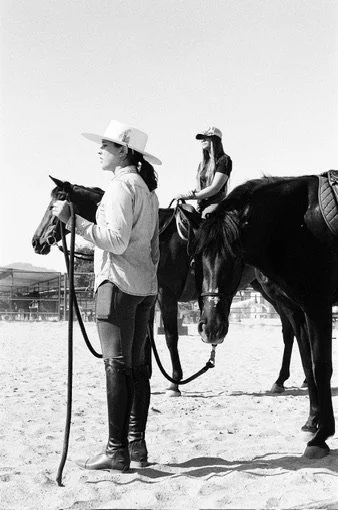
Why we should participate in No Stirrup November
Riding without stirrups is a fantastic way to build strength, balance, and conditioning as a rider. It gives us a tangible goal to work towards, and a way to watch our progress. It’s also a great task for rainy or muddy days when our horses need light work, but we still want to push ourselves to grow as riders.
For these reasons, No Stirrup November is a time-honored equestrian tradition that marks the beginning of Winter.
Unfortunately, it has become synonymous with torment and torture in many barns. My goal is to make No Stirrup November a fun, safe, and approachable learning opportunity for my students. And safe for my horses’ backs too.
One of the most important things to note is that forcing our students to ride without stirrups at all, all month long, is not only going to make them less enthusiastic about No Stirrup November, but it’s actually ineffective. Working our students once they have reached a level of fatigue where they can no longer hold the correct position or posture will teach bad habits and create compensations we’ll have to fix come December. It’s better to do no stirrup work in short, controlled and highly intentional bursts.
Lesson Structure

Start with a simple warm up for horse and rider with stirrups
Bring up the concept of No Stirrup November, and touch on the benefits of learning to ride without stirrups (or ask your student what they think the benefits are!)
Do the exercises listed below for the appropriate level of rider. You could spread the exercises out over several lessons, or do them all in one depending on the time you have to devote.
Reflect out loud with your student, ask them what they did well today and what they still need to practice. Ask them how it feels to ride without stirrups, and what they learned about their own position and riding skill.
Cool out with stirrups, applying what you learned in your no stirrup work to regular riding
No Stirrup Exercises for All Levels
-
No Stirrup Walking
Have student drop stirrups and let leg fall long. Notice how hips naturally move with the horse’s stride. Pull toes up towards knees, then point them down to the ground. Repeat several times noticing how this changes the seat. Make circles with toes, notice the same.
Lift thigh off of horse to the front, then to the side, then back, then let it rest down. Notice the changes to the seat. Try to keep seat bones even.
Pull knees up onto pommel as if sitting in a chair, notice how core and seat work together to balance. Then pull feet up behind cantle in a quad stretch, notice the same (this one is too intense for some, I always give an option to skip if it’s painful.
Bareback Walking
Repeat the above exercises while bareback, paying special attention to left-right balance, how the hips move at the walk, and how the horse’s back responds.
First No Stirrup Trotting
For the first no stirrup trot we go for just a few steps.
Review proper sitting trot technique, imagine sitting on a hundred dollar bill you don’t want to lose. Relax your legs and seat down to move with the flow of the trot rather than trying to resist it.
Try just a few steps, walk to regain balance, and try for a few more trot steps. Repeat until student feels comfortable trotting for slightly longer stretches.
-
Sitting to posting transitions
With student on lunge line or in round pen, have them drop stirrups and pick up a trot. Call out randomly “posting” or “sitting.” Have the student start with short moments of whichever is harder for them, and work towards holding it for longer.
Walk to trot transitions
Have your student work in a regular sized arena (if safe) and have them walk short sides, trot long sides for several laps with no stirrups. Use the walk breaks to reorganize, rest, and get composed for the trot work. This gives the student regular, predictable chances to rest and feels more safe and approachable than long trots.
Big arena work
Still in the regular arena (if safe), have student trot 1-3 laps each direction, posting long sides, sitting short sides. This also helps to break up the no stirrup work in a way that feels approachable and manageable, but is progressively more challenging than alternating between walking and trotting.
-
Flat work
Have student trot and canter as you call out transitions, circles, and changes of direction. Focus your ques and corrections on their position, just as if they had stirrups. Keep legs long, left to right balance, heels down, chest lifted, etc. When you see student becoming fatigued, go for an extra 30-60 seconds, then rest. Repeat 1-3 rounds total.
Skill work
Set up a small course in your chosen discipline. Tell your student the course, and have them ride it once, resisting the urge to coach them through it unless there is a safety issue. It should feel like a stretch, but doable. When they return, ask them what they did well? What could they have improved.
Have them ride the course a second time. When the return this time only ask them what they did better than the first attempt. This teaches them to evaluate their own riding, be reflective, and build confidence in their ability.
Want more like this?
I happen to be working on publishing my entire horsemanship-based curriculum. If you’d like to be notified when it becomes available, leave me your info and I’ll reach out. I’ll even throw in some bonus goodies for getting in early.